Dynamic Government 365
Procurement Planning & Budgeting Solution
Centralize procurement activities, allowing for greater visibility and spending planning. Automate of the manual yearly planning tasks, freeing up time for more strategic activities while improving management visibility & decision-making.
Who is it for?
Every Government Organization.
The solution automates the budgeting collection and reporting process and extends this process to allocating the approved budget amounts to departments and sectors.
The solution functionality also integrates with Tendering & Procurement Solution to provide spending performance visibility and control.
Use Case
During annual budget planning, procurement and planning department in any government organization usually collects procurement requirements from departments and sections. They need to segment all these requests across budgeting accounts, contracting types, funding sources, and more…
Finally, the procurement and planning department will have to consolidate and submit their budget request to a single body, such as Ministry of Finance, or to other bodies, such as specialized government authorities, for review and approval.
The approved budget then needs to be redistributed and allocated to requested departments accounts, to facilitate procurement follow-ups during the fiscal year.
Quick Links
Business Benifits
Solution Components
Features Heilights
Streamlined Process
The solution helps organizations streamline the process of collection of “Procurement Needs” for planning and budgeting of the following fiscal year. The collection process is a collaborative process, that can go deep in the organization structure, allowing every organization unit to submit its itemized budget requests according to the following process steps:
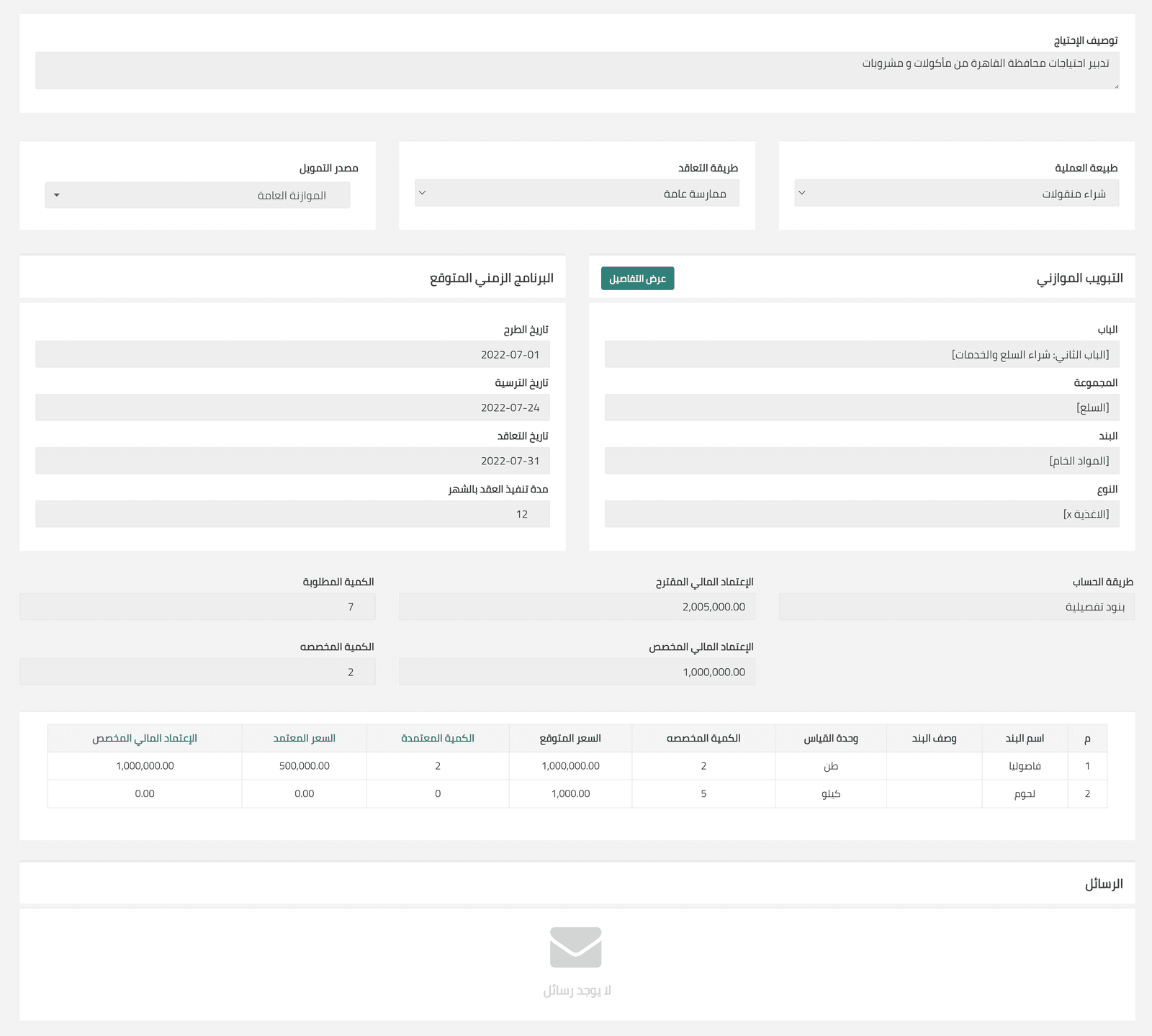
1. Departments (Subsidiary Units) submit their budget needs to parent unit
Each Department, and Sector, submits a budget request (Need) for the next fiscal year. The budget request profiles a procurement need for a Service or Commodity.
The Budget Request includes a set of details, such as:
- Procurement type
- Funding source
- Budgeting account
- Budgeting BOQ
- Planning team information
- Related correspondences and messages
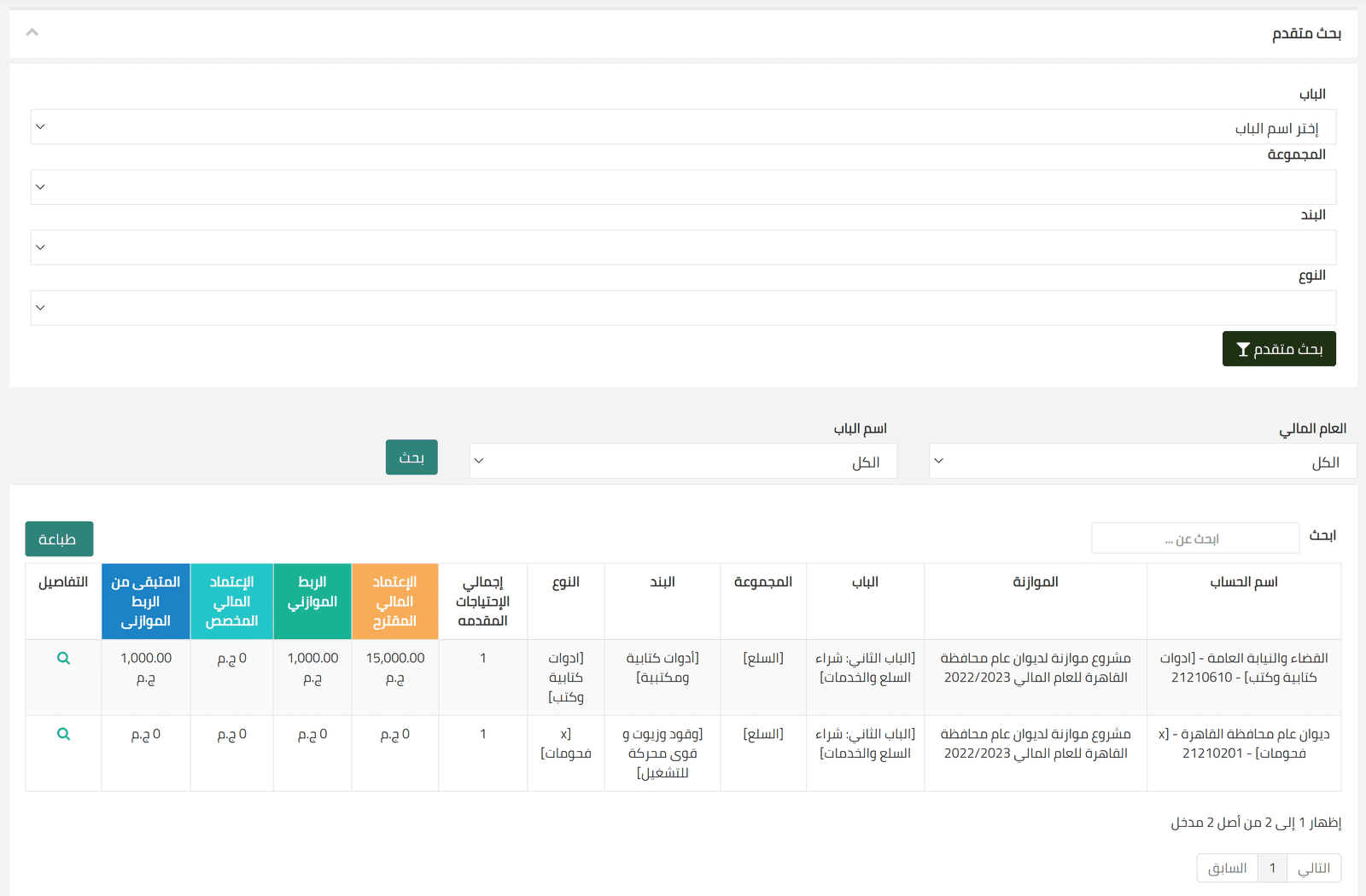
2. Sectors (Budget Units), consolidate their requests along with the departmental requests to Finance/Planning Department
Each Sector can review all the budget requests issued by its subordinate departments as well as its own before submitting it to the Finance/Planning Department.
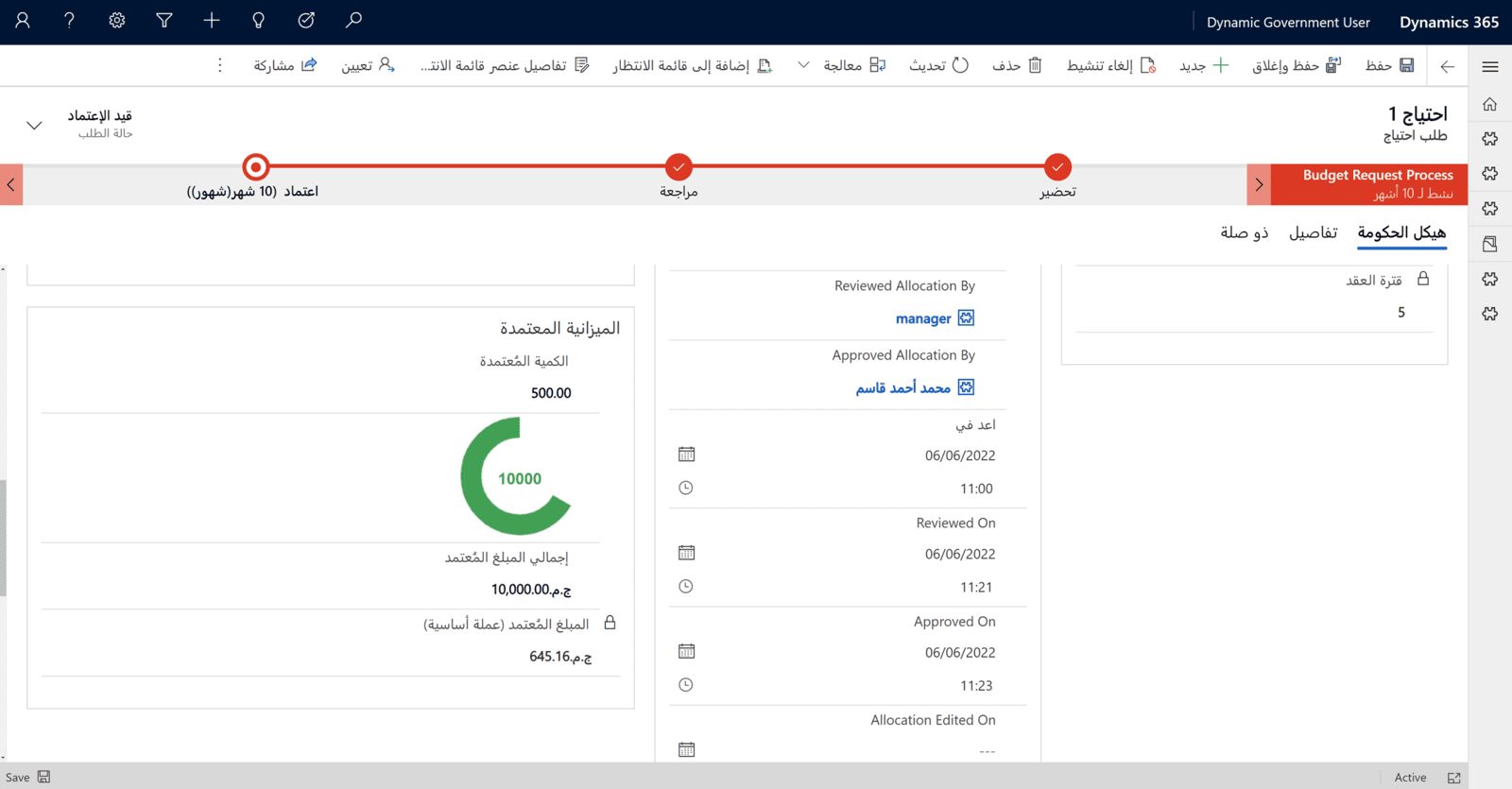
3. Finance/Planning Department, review and approve budgets.
Finance/Planning Department can review detailed budget requests from each sector and department (Budgeting Unit and Subsidiary Unit), or can review the total amounts requested by each budgeting account.
Accordingly, the response can be either detailed per request, or summarized per budget amount.
Also, Finance/Planning Department can review budget request and respond to them directly from the ERP system. ERP Integration can communicate summarized budget requests by budgeting account to ERP. Once approved budgets are assigned in the ERP system, it will be populated back to departmental users for reallocation of their procurement needs.
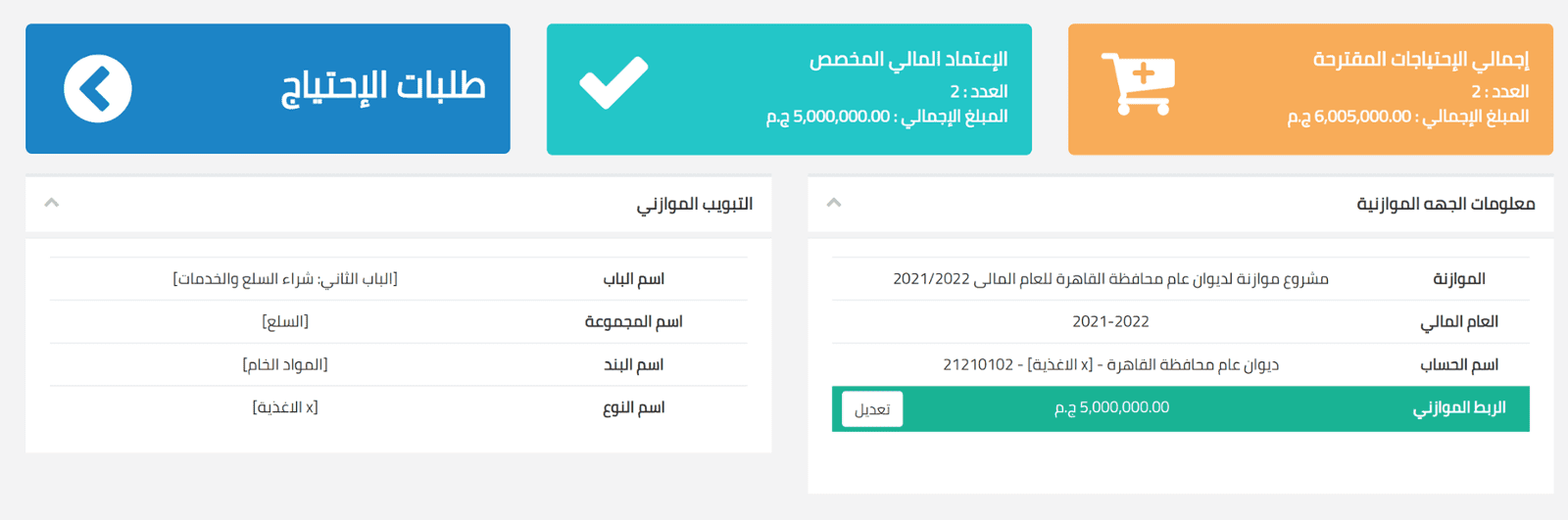
4. Sectors & Departments re-allocate the approved budget amounts across their initial budget requests.
Once budgets are approved and assigned from Finance/Planning Department, and in case of variation from requested amounts, Sector and Department (Budgeting Unit and Subsidiary Unit) users will be prompt to reallocate amounts across their procurement needs.
Business Intelligence
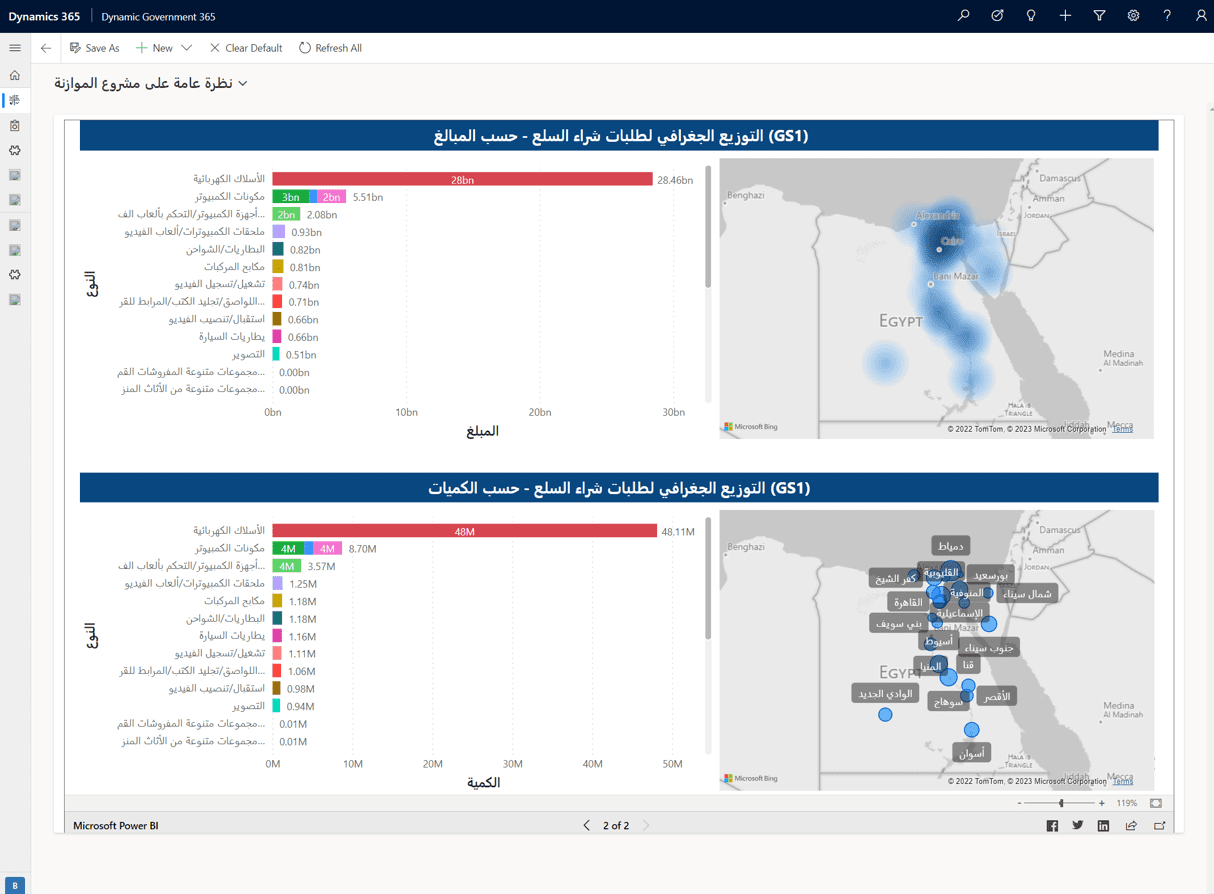
Power BI is a business analytics tool which allows you to easily connect to data sources, create visuals and gain business intelligence quickly.
Improve budgeting accuracy and make more informed decisions. BI add-on provides real-time updates on financial data, enabling organizations to identify trends and potential issues early on and adjust their budgets accordingly.
- Historical and current views of each organization unit.
- Changes on data views to have more insight over the data to get information.
- Pre-canned reports and allows users to generate new reports.
Global Compliance
GS1 Global Compliance
GS1 standards are the most widely used system of standards in the world. By enabling the sharing of trusted quality data everywhere, they tell the story behind products—where they originated, what they contain and where they have been during their supply-chain journey. This, in turn, removes friction between business partners and improves performance and safety across the entire supply chain.
Commodity Items Procurement in Dynamics Government is coded with a global catalog referring to internal coding and GS1 Coding.
GS1 is a neutral, global collaboration platform that brings industry leaders, government, regulators, academia, and associations together to develop standards-based solutions to address the challenges of data exchange. Our scale and reach—local Member Organizations in 116 countries, over two million user companies and 6 billion transactions every day—helps ensure that there is a common language of business across the globe.
Technologies